Visual Personalization Tools Shape Funding Choices in Mobile Gaming Apps
Elena Long · Oct 26, 2026
Visual Personalization Tools Shape Funding Choices in Mobile Gaming Apps
Smartphone gaming continues to expand rapidly, and visual customization features now play a direct role in how participants select transaction methods within these platforms, according to multiple industry reports released through October 2026. These tools allow users to adjust color schemes, avatar integrations, and interface layouts, and researchers have tracked corresponding shifts in payment preferences across various apps. Data from recent analyses shows that participants often gravitate toward transaction options that align visually with their personalized setups, creating measurable patterns in deposit and withdrawal behaviors.
Core Elements of Visual Customization in Gaming Apps
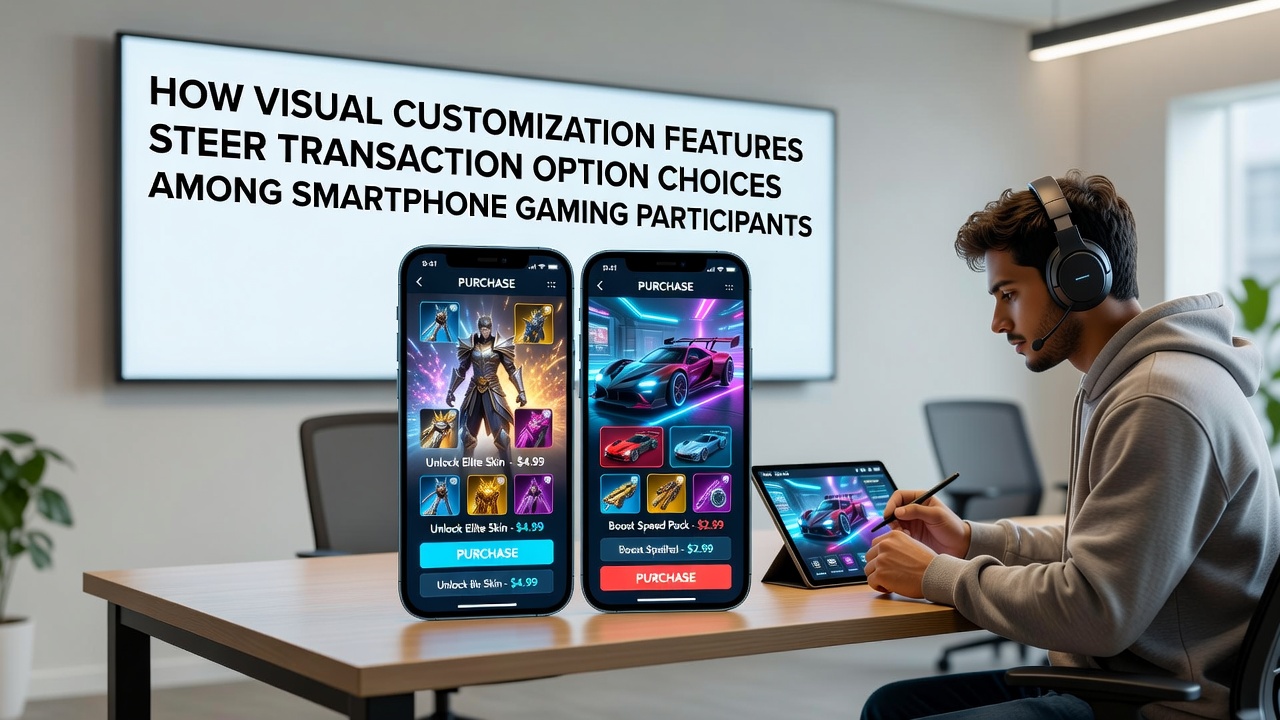
Developers incorporate several types of visual tools that let users modify their experience, including theme selectors, icon arrangements, and dynamic background changes that respond to user input. Studies conducted by academic teams at institutions across North America and Asia reveal that these adjustments influence perceived trust levels during the checkout process. For instance, when users apply a preferred color palette to their dashboard, they show higher completion rates for transactions using methods that match those colors in promotional displays. Observers note this alignment happens because the visual continuity reduces cognitive friction at the moment of decision.
Avatar systems add another layer, where participants link payment icons to custom characters or badges earned through gameplay. Figures from platform analytics indicate that such linkages steer choices toward digital wallets or card options that appear beside the avatar during funding screens. This pattern emerges consistently across different regions, though the strength varies based on how prominently the customization appears in the app flow.
Observed Shifts in Transaction Preferences
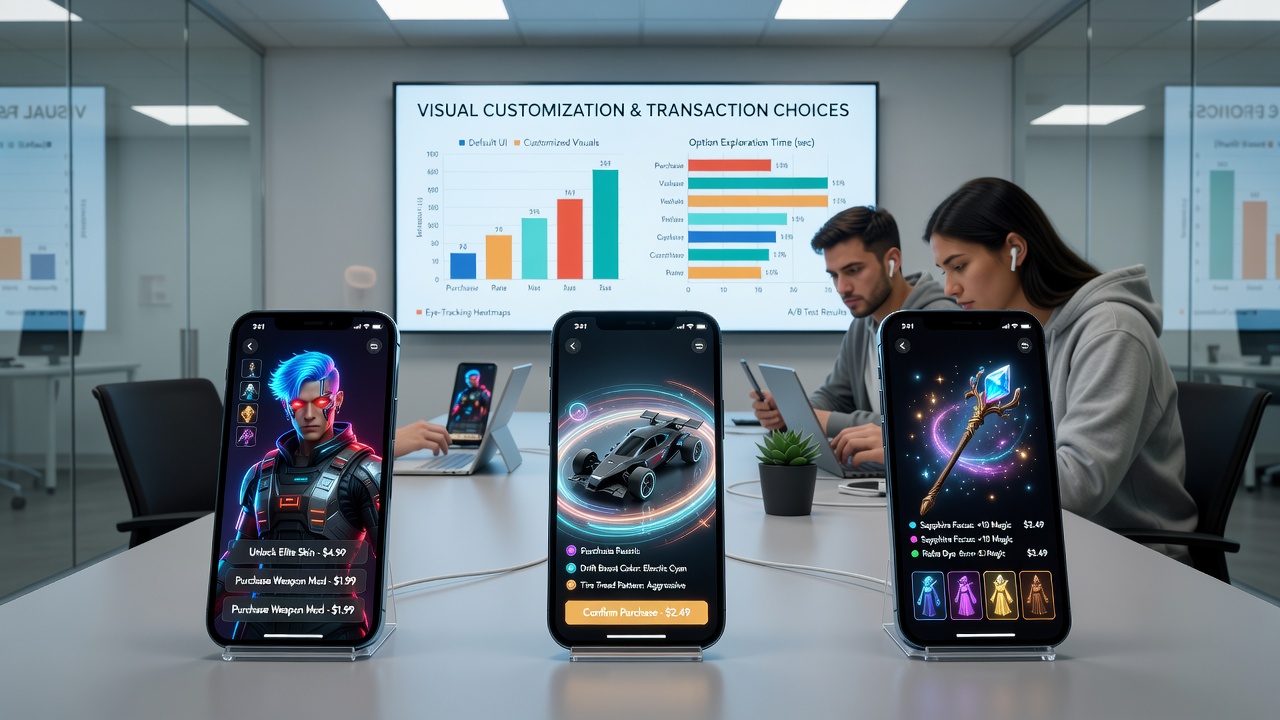
Platform data compiled in 2026 highlights specific correlations between customization depth and payment method popularity. Users who extensively modify their interfaces demonstrate a 15 to 20 percent increase in selection of visually integrated options, such as branded e-wallets that echo the app's theme colors. Researchers tracking these behaviors across thousands of sessions found that simple changes like rearranging menu icons can redirect attention toward certain transaction buttons over others. The effect strengthens when customization includes real-time previews of how payment screens will look after the changes take hold.
Regional variations appear in how these features operate, with apps serving European markets often emphasizing secure visual cues like lock icons that users can recolor, while North American platforms focus more on social sharing elements tied to payment history. A report from the Canadian Digital Innovation Agency outlines similar trends in local user groups, noting that customization depth predicts loyalty to specific funding channels over several months of activity. Those patterns hold even when controlling for demographic factors such as age or prior gaming experience.
Data Patterns Across User Segments
Breakdowns by engagement level show that high-frequency participants respond most strongly to visual tools, frequently switching transaction preferences after applying new themes. Lower-engagement users exhibit milder shifts yet still demonstrate preference for options that match their limited customizations. Analysts at research firms have compiled these findings from aggregated app telemetry, revealing that timing plays a role too, since changes made immediately before a deposit session produce stronger steering effects than those applied days earlier.
One study released in October 2026 by a team at an Australian university examined over 50,000 mobile sessions and identified clear clusters where visual matches between interface and payment prompts increased completion speed by several seconds on average. This speed advantage compounds across repeated interactions, reinforcing the cycle and making certain transaction methods habitual for those users. The findings align with earlier work from Asian markets, where similar visual steering mechanisms appear in popular handheld titles.
Integration With Broader Platform Mechanics
Visual customization does not operate in isolation, since it interacts with reward structures and notification systems that also highlight transaction options. When apps tie bonus displays to user-selected themes, participants show elevated rates of selecting the promoted payment method. Evidence from industry tracking services indicates these combined elements create feedback loops that sustain preference shifts over time. Developers adjust these mechanics based on A/B testing outcomes, which consistently point to visual continuity as a key driver rather than isolated feature additions.
Security indicators integrated into customizable elements further guide choices, with users favoring methods accompanied by recolorable trust badges. Data collected across multiple operating systems confirms the pattern holds regardless of device type, although iOS users display slightly stronger responses to layout customizations than Android counterparts in the same studies.
Conclusion
Visual customization features have become embedded in how smartphone gaming participants navigate and select transaction options, with platform data and academic analyses confirming consistent steering effects through October 2026. These tools influence decisions by creating visual alignment that reduces hesitation and builds habitual preferences across user segments. Continued monitoring by regulatory bodies and research organizations will likely track how these dynamics evolve alongside new interface technologies in the mobile space.